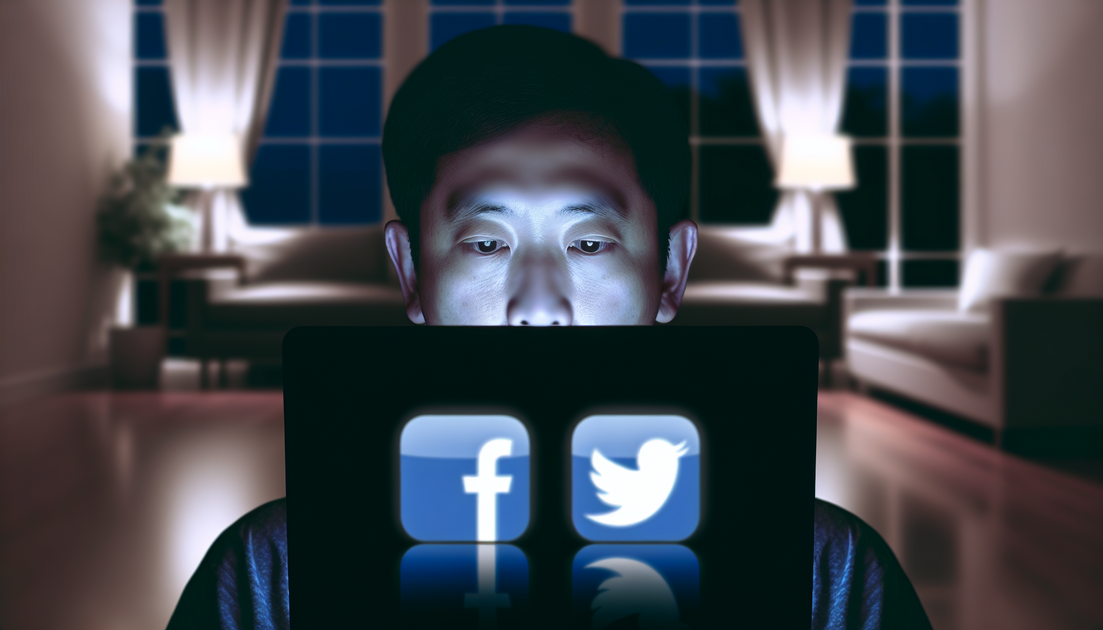
It’s not often that a company as large as Meta reports a drop in its audience, but last quarter was different. Meta lost 20 million users across its platforms—an eye-catching number that raised eyebrows in Silicon Valley and beyond. For a company that once seemed unstoppable, the question is no longer just about growth. It’s about relevance.
What’s Really Behind Meta’s User Decline
At first glance, the story seems simple: people are leaving Facebook and Instagram. But dig deeper, and you’ll find a more complex web of reasons. Some users are burned out. Others are distrustful of how their data is used. And many, especially younger audiences, have simply moved on to apps that feel more authentic or private.
Meta’s platforms have matured into something like digital infrastructure—useful, but not exciting. I’ve seen this pattern before with tech giants: once a service becomes essential, its emotional spark fades. Facebook groups still hum with activity, but the average user logs in less often and stays for shorter bursts. Instagram, meanwhile, is fighting a perception problem—it’s become too polished, too algorithmic, and too full of ads.
In some regions, economic pressures and changing device preferences play a role too. Data costs, phone storage, and even politics can push people to lighter, faster, or more localized apps. The loss of 20 million users doesn’t mean Meta is collapsing, but it does suggest that the old formula—growth at all costs—is running out of steam.
How Meta Lost 20 Million Users: Key Factors
Several threads intertwine here, each contributing to the bigger picture:
- Platform fatigue. After nearly two decades, many users simply feel done. Social media once felt fresh and connective; now it often feels repetitive or draining.
- Privacy and trust issues. From data breaches to algorithmic manipulation, Meta’s reputation for handling user information hasn’t fully recovered. I’ve heard from readers who say they only stay because friends or family do.
- Shifting demographics. Younger users are flocking to platforms like TikTok and BeReal, where content feels more spontaneous and less performative. Meta’s attempts to imitate these trends haven’t landed cleanly.
- Algorithmic overload. When every post, reel, or story is ranked, filtered, and monetized, authenticity often gets lost. Users sense when they’re being optimized for engagement rather than connection.
- Regulatory and regional impacts. In some markets, new data laws and content restrictions have limited Meta’s reach. The EU’s evolving digital policies, for example, have forced changes that subtly affect how users interact with the apps.
Adapting to the New Social Landscape
If you’re a creator, brand, or everyday user, these shifts carry lessons. Social media is fragmenting, and that’s not necessarily a bad thing. Here’s how to adapt without burning out:
- Diversify your digital presence. Don’t rely on one platform. Build small, meaningful communities elsewhere—Discord servers, newsletters, or even good old-fashioned email lists.
- Prioritize authenticity over reach. Audiences today crave honesty more than virality. I’ve noticed that even short, genuine posts often outperform slick, overly branded ones.
- Reclaim your attention. Set intentional limits on scrolling time. If the algorithm feels overwhelming, step away; your feed will still be there tomorrow.
- Test smaller platforms. Emerging networks like Mastodon or Threads may not have Meta’s scale, but they often offer richer, more human interactions.
These aren’t just survival tactics—they’re a way to rediscover what made social media compelling in the first place: connection, creativity, and curiosity.
Quick Wins for Everyday Users
Not everyone has time for a full digital overhaul. If you’re looking for small, immediate changes, try these:
- Turn off “suggested posts.” You’ll see more from actual friends and less from algorithmic strangers.
- Mute ads and influencers you don’t enjoy. The platforms allow it; few people actually use the feature.
- Use Meta’s own tools. Features like “Take a Break” or “Quiet Mode” exist for a reason—they help you regain control.
- Backup your data. If you ever decide to leave, you’ll want a copy of your photos and messages.
These small steps won’t change Meta’s quarterly numbers, but they can change your experience dramatically.
The Myth to Avoid: “Everyone Is Leaving”
Despite the dramatic headlines, it’s worth staying grounded. A loss of 20 million users is significant, but Meta still counts billions of active accounts. The myth that “everyone’s leaving Facebook” isn’t true—yet. What’s happening is more gradual: users aren’t deleting accounts en masse; they’re quietly disengaging. Checking less often. Posting less frequently. Watching more, creating less.
This slow fade is harder to measure but more telling. When people’s habits shift this subtly, it signals a broader cultural change. The social media era isn’t ending—it’s evolving into something quieter and more intentional. I suspect that’s a good thing in the long run, even if it rattles the industry now.
Where Meta Might Go Next
Meta isn’t standing still. Its investments in AI-driven recommendations and the metaverse show a company betting on long-term reinvention. But the challenge is cultural, not just technological. People want digital spaces that feel less extractive and more communal. Whether Meta can deliver that remains uncertain.
I remember a friend deleting her Facebook account a few months ago. She’d had enough of the clutter, the ads, the constant “suggested for you” content. But a week later, she logged back in to RSVP for a local event. That tension—between disconnection and convenience—is the exact space Meta occupies now. Leaving entirely is hard; staying enthusiastically is harder.
If Meta can rebuild trust and make its platforms feel genuinely social again, it might regain some of those 20 million lost users. But if it keeps chasing engagement metrics over human experience, the decline will continue, slowly but surely.
Final Takeaway
Meta’s user loss isn’t a fluke—it’s a reflection of how our relationship with technology is maturing. We’re learning to demand more balance, more privacy, and more meaning. For individuals, that means taking small, conscious steps to shape our digital environments. For Meta, it means rediscovering its original purpose: helping people connect, not just scroll.
The next chapter of social media won’t be about who has the most users. It’ll be about who earns our trust back.
Leave a Reply