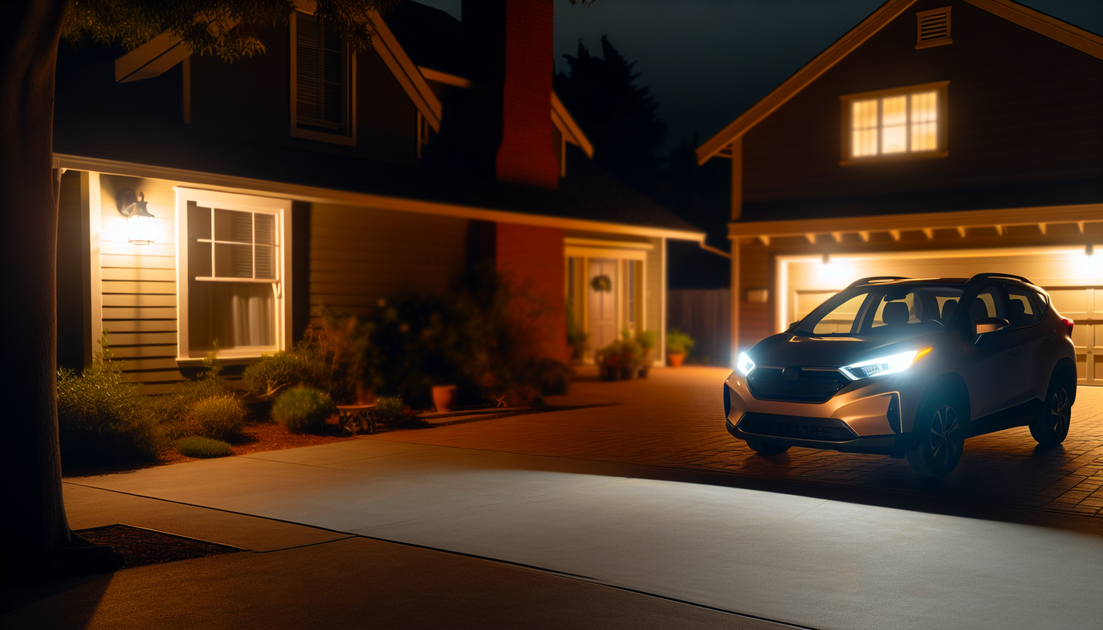
It’s late, the street quiet except for the hum of a distant highway. A porch light flickers, and a man in a hoodie stands near the curb, holding a small, glowing device. Somewhere inside the house, a key fob sits on a kitchen counter. A moment later, the car parked outside chirps softly—unlocked. That eerie image is what many people picture when they hear about key fob signal theft.
Local news stories and viral posts have made these “relay attacks” sound almost effortless, as if anyone with a gadget bought online could walk away with your car. But how real is this threat, and what can you actually do about it? The truth sits somewhere between paranoia and practicality.
How Key Fob Signal Theft Works
Modern cars with push-button start systems rely on a constant radio signal between the vehicle and its paired key fob. When the fob is close enough, the car recognizes it and allows doors to unlock or the engine to start. It’s a convenience that most of us take for granted—until we realize that convenience cuts both ways.
In a relay attack, two thieves usually work together. One stands near the house, using a signal amplifier to “find” the key fob inside. The other waits by the car with a receiver that extends the fob’s signal. The car, tricked into thinking the real key is nearby, unlocks and starts.
It sounds high-tech, but the method isn’t new. Security researchers demonstrated it years ago, and since then, automakers have steadily improved their fob encryption. Still, not every model is equally protected. Some older systems can be fooled easily; others use rolling codes or motion sensors that make the attack less effective.
Why It Feels More Common Now
Part of what fuels anxiety is visibility. Surveillance videos showing masked figures creeping up driveways circulate online, often stripped of context or details. Local stations report a “wave of key fob thefts,” even when the total number of cases remains relatively low. I’ve noticed this pattern before—how a single viral clip can inflate the sense of danger.
Another factor is automation itself. As keyless entry becomes standard, more cars are technically vulnerable, even if the practical risk remains small. It’s similar to how cybercrime headlines surged as more people moved banking and shopping online. The attack surface grows, and so does the conversation about it.
In reality, most car thefts still happen the old-fashioned way: stolen keys, forced entry, or towing. Relay attacks make up a fraction of total cases, though that fraction has been inching upward, especially in dense urban areas where thieves can blend in and move quickly.
What Actually Protects You
So what can you do besides losing sleep over your driveway? A few defenses make practical sense, and they don’t require wrapping your keys in tinfoil—though that technically works.
- Faraday pouches or boxes: These lined containers block radio signals and prevent your fob from communicating with any device nearby. They’re inexpensive and effective if you actually use them consistently.
- Turn off or sleep mode: Some newer fobs can be put into a low-power mode that stops broadcasting when not in motion. Check your manual; not every brand offers this feature, but it’s worth enabling if available.
- Physical barriers: Parking in a locked garage or using a steering wheel lock adds visible deterrence. Thieves prefer easy wins, and a simple obstacle can make them move on.
- Software updates: Automakers occasionally push firmware updates to fix vulnerabilities. Many drivers ignore these, assuming they’re only for infotainment systems, but some patches target keyless security.
None of these steps guarantee safety, but that’s true of nearly any theft prevention measure. The goal isn’t to make your car invincible, just to make it less convenient to steal.
A Quiet Lesson From a Suburban Driveway
A friend of mine learned this the hard way last winter. He woke up one morning to find his SUV gone from the driveway, no broken glass, no sign of forced entry. The police later recovered it a few miles away, abandoned with the fuel tank nearly empty. Investigators suspected a relay theft, though they couldn’t prove it. When I asked him what he changed afterward, he shrugged and held up a small silver-lined pouch. “It’s a habit now,” he said. “Toss the keys in here before bed, and I sleep better.”
That small ritual says a lot about how we live with technology. We trust devices that make our lives easier, then add new ones to protect us from the first set. It’s an odd kind of balance—comfort and caution coexisting side by side.
The Nuance: Real Risk vs. Perceived Threat
There’s a subtle distinction between what’s possible and what’s probable. Technically, yes, thieves can capture and relay a key fob’s signal. Practically, they need the right tools, timing, and luck. Most organized theft rings still prefer strategies that guarantee a payout, like targeting vehicles with poor immobilizers or cloning keys through service data leaks.
I’ve talked to mechanics who see more panic than evidence. They’ll get customers asking to “disable the push-start system entirely,” which usually isn’t feasible or safe. Others request aftermarket alarms that end up being more nuisance than protection. Sometimes, the simplest approach—good lighting, secure parking, and a modest Faraday sleeve—is enough.
That said, complacency isn’t wise either. If your car sits outside overnight in a busy neighborhood, taking small precautions makes sense. The same logic applies to locking your phone or using two-factor authentication. It’s not about fear; it’s about managing risk in an age where convenience often doubles as vulnerability.
Living With the Trade-Off
Keyless systems aren’t going away. Automakers are already experimenting with smartphone-based digital keys and ultra-wideband technology that verifies your exact location relative to the car, making relay attacks nearly impossible. But widespread adoption of those systems will take years, and even then, new weaknesses will emerge. That’s the reality of security—it evolves, and so do the people who try to bypass it.
For now, the best mindset is measured awareness. Understand the risk without exaggerating it. Protect your car, but don’t let anxiety dictate your habits. Most thieves still look for the easiest opportunity, and a few simple steps can ensure that opportunity isn’t yours.
When I pass a quiet driveway at night and see a car sitting under a motion light, I sometimes think about that invisible conversation happening between fob and machine. A silent handshake of trust, one we rarely question—until someone else learns how to listen in.
Leave a Reply