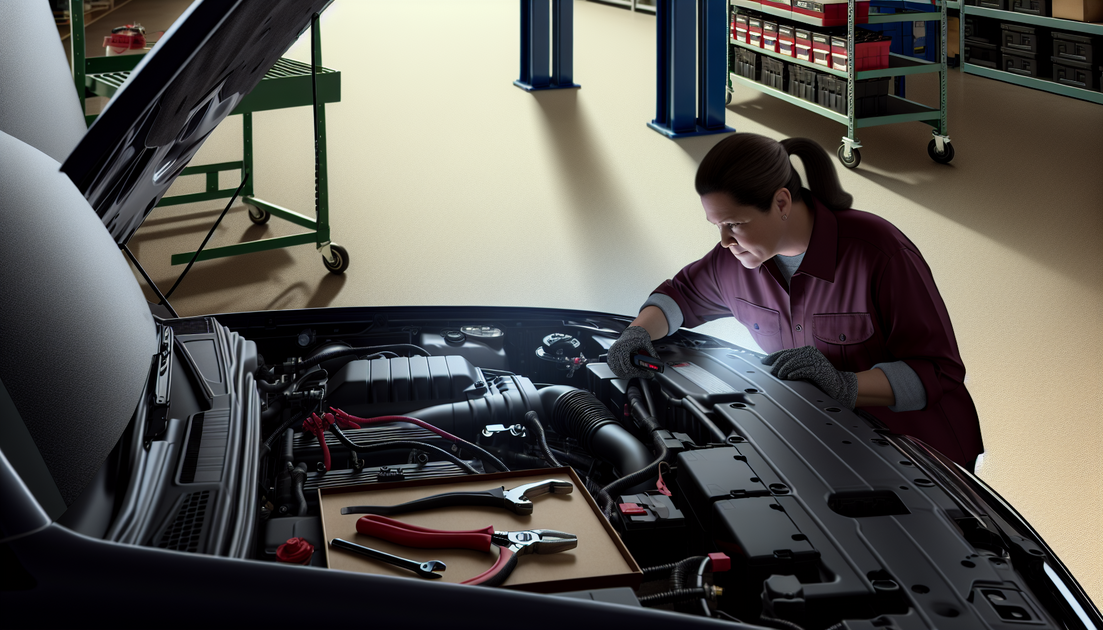
One morning, you turn the key in your 2010 Silverado 1500 and hear it — a harsh grinding sound that wasn’t there yesterday. It’s quick, maybe two seconds, but unmistakable. You pause, turn off the key, and try again. The noise repeats. That’s when you know something’s up. This kind of Silverado grinding noise can come from several sources, and finding the right one early can save you a lot of money and frustration.
When the Grind First Appears
I once helped a friend with a similar problem on his 5.3-liter Silverado. He described it as “metal on metal” every time he started the engine, especially after sitting overnight. It turned out not to be internal engine damage, but the starter motor’s bendix gear sticking as it engaged the flywheel. The grinding sounded catastrophic, but the fix was surprisingly straightforward once we found it.
That story’s pretty typical. Most grinding noises on startup fall into a few predictable categories — starter issues, worn pulleys, power steering problems, or even a failing AC compressor clutch. The trick is to identify when the noise happens and whether it changes with steering input, temperature, or key position.
How to Diagnose a Silverado Grinding Noise
Start with the basics. You don’t need a full shop to narrow down the cause, just patience and a careful ear.
- Listen for timing and location. Does the noise begin as you turn the key or only once the engine is running? If it happens during cranking, the starter is suspect. If it continues after the engine catches, look at accessory components.
- Watch the belt system. Pop the hood, start the truck, and observe the serpentine belt. A wobbling pulley or vibration near the alternator or power steering pump can produce a grinding or whining tone.
- Turn the wheel. If grinding intensifies when you turn the steering wheel, it’s often the power steering pump or a low fluid condition. On older Silverados, the pump’s internal bearings can wear and make a rough, gravelly noise under load.
- Check fluid levels. Power steering fluid that’s low or aerated (foamy) can cause both noise and steering stiffness. Always use the correct GM-specified fluid; mixing types can worsen noise.
- Inspect the starter mount and flywheel teeth. If the starter is misaligned, the gear teeth can only partially engage the flywheel, grinding with every crank. You’ll often see metallic dust near the housing if this is the case.
I’ve seen owners replace alternators and pulleys chasing a noise that turned out to be a loose starter bolt. Don’t skip the simple physical checks. A quick inspection can prevent a lot of unnecessary parts swapping.
Common Causes and Fixes for Silverado Grinding Noise
Once you’ve narrowed down the timing and source, here’s how the most common culprits usually play out:
- Starter motor gear wear: The bendix or pinion gear wears down and doesn’t fully retract. You’ll hear grinding during or right after cranking. Replacing the starter usually solves it.
- Flywheel damage: If you see missing or chipped teeth on the flywheel, the starter will grind every time it hits that spot. Unfortunately, this means separating the transmission to replace the flywheel — not a small job.
- Power steering pump failure: A rough, growling noise that changes with steering input points here. Check fluid first. If it’s full and clean, the pump bearing may be failing.
- Accessory bearing wear: Idler pulleys, tensioners, or the AC clutch can all produce grinding or rattling. Remove the serpentine belt and briefly start the engine (no more than a few seconds) — if the noise disappears, the issue lies in the belt drive system.
At this point, if you’re not comfortable pulling parts, stop and get a mechanic’s confirmation. Guessing wrong with a starter or flywheel can mean doubling the labor later.
Practical Steps Before Replacing Anything
Do this before you spend a dollar on parts:
- Clean the battery terminals and check voltage. A weak battery can cause the starter to chatter or grind from incomplete engagement.
- Inspect starter bolts for looseness. Even minor play in mounting can cause misalignment and noise.
- Check all engine and body grounds. A poor ground can mimic mechanical grinding with electrical chatter or arcing.
- Use a mechanic’s stethoscope or even a long screwdriver to your ear to pinpoint the loudest location. It sounds old-school, but it works remarkably well.
When diagnosing noise, I always remind people: avoid revving or forcing the noise to repeat excessively. If it’s a failing bearing or a dry starter, each grind accelerates the damage.
A Less Obvious Culprit: Heat Shield or Mount Contact
One issue that surprises many Silverado owners is a loose heat shield or engine mount contact. The sound can mimic internal grinding but actually comes from thin metal vibrating against the frame or exhaust under torque. I’ve seen this twice — both times, tightening a bent heat shield fixed what sounded like a dying starter.
So before you dive into replacing the starter or pump, give all nearby metal shields and brackets a quick shake test. If they move or rattle easily, they can transmit vibration straight into the cabin, making it sound worse than it is.
When to Seek Professional Help
If your Silverado still grinds after checking the basics, it’s time to bring in a shop. A mechanic can perform a more controlled starter draw test, inspect flywheel alignment, and check for internal bearing wear in the steering pump. These are deeper checks that require safe lifting and sometimes transmission support — not ideal for a driveway job.
At the shop, ask for a sound recording if possible. Many technicians now use electronic listening tools that can isolate noises and compare them to known patterns. It’s worth asking for, especially if the noise only happens intermittently.
The Takeaway
A grinding noise from your Silverado doesn’t automatically mean serious damage, but it’s never something to ignore. Isolate when it happens, trace it methodically, and always start with the easy checks before replacing parts. The most expensive mistake I see is replacing good components because the true source went unnoticed.
In most cases, catching it early means a simple fix — a new starter, a tightened bracket, or fresh power steering fluid. Wait too long, and that same sound can turn into a flywheel replacement. The difference is usually just a few days of attention.
Listen early, act carefully, and your Silverado will reward you with silence when you turn the key.
Leave a Reply