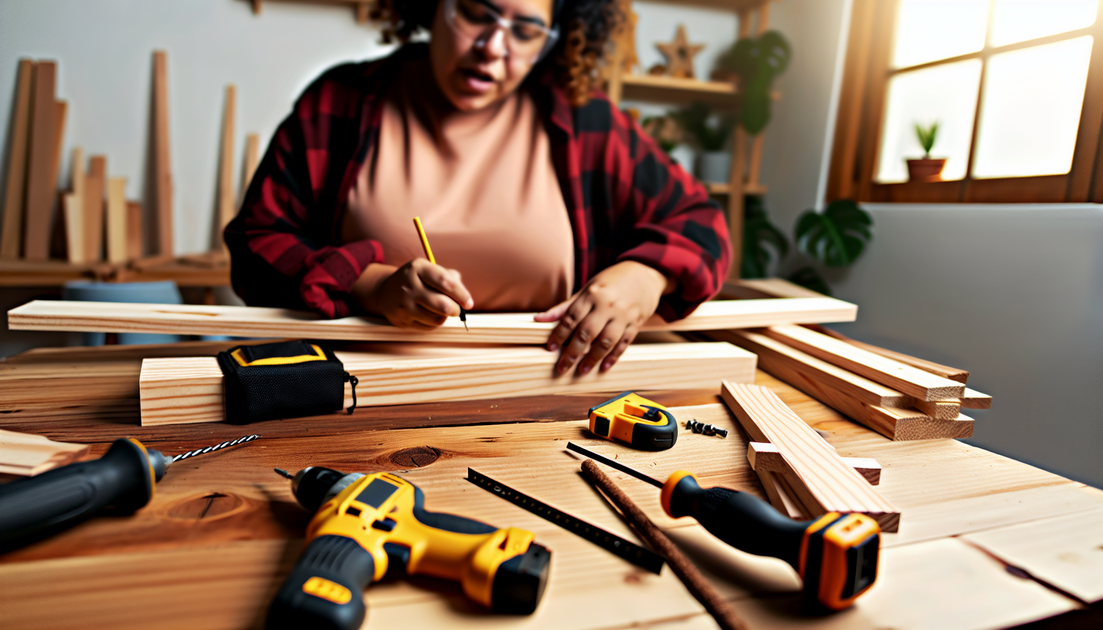
For many people, getting started in DIY feels like standing at the edge of a deep, confusing toolbox. There are unfamiliar terms, endless tutorials, and a quiet fear of messing up. But every seasoned maker, woodworker, or home improver started exactly where you are—unsure, but curious. The real trick is learning how to begin without worrying about being perfect.
Why the DIY world welcomes beginners
DIY—short for “do it yourself”—has always been about independence, learning, and resourcefulness. In earlier generations, it was more necessity than hobby. People built their own shelves, mended clothes, or wired a lamp because they had to. Over time, it evolved into something more creative and expressive: a way to shape your surroundings with your own hands.
Today, the DIY community has spread across forums, YouTube channels, and even Discord servers, where beginners can ask questions that might seem basic elsewhere. The /r/DIY subreddit, for instance, runs a weekly thread where people can ask anything—from “What’s this tool called?” to “How do I start a woodworking project?”—without fear of being judged. I’ve seen beginners post photos of half-finished projects and come away with kind, detailed advice from people who remember being in that same uncertain place.
That sense of community is the backbone of the DIY world. No one knows everything, and that’s part of the appeal. The moment you accept that, the process becomes less about perfection and more about progress.
How getting started in DIY actually works
Most new makers begin with one of three motivations:
- They want to fix something around the house instead of paying someone else.
- They want to build something unique that stores don’t sell.
- They simply want to learn how things work.
From there, the next step is figuring out what tools and materials you need—and that’s where many people stall. It’s easy to feel like you need an entire workshop before you can begin. In reality, most first projects require only a handful of basics: a screwdriver, a measuring tape, maybe a saw and some sandpaper. Borrow tools if you can. Many local libraries and community centers now have “tool libraries” where you can check out equipment just like books.
The real key is choosing the right scale for your first project. A small, contained goal—a simple planter box, a spice rack, or a patched drywall corner—teaches you far more than a big, ambitious build that never gets finished. In my own early attempts, I learned this the hard way after starting a massive bookshelf without leveling the floor first. It leaned like a tower in Pisa, but I learned more from that mistake than from any successful project since.
Lessons from real makers
Here’s a simple truth: every DIYer has a story that begins with something crooked, sticky, or half-broken. One reader once told me about making a coffee table from reclaimed wood. Halfway through, she realized she’d used two different types of screws, and one side started to split. She posted a photo online, expecting ridicule, but instead received a dozen helpful replies suggesting fixes. Two days later, she showed off the repaired table—and a week after that, she was planning her next project. That’s how it often goes. One imperfect project leads to another, and before long, you start to see progress build on itself.
As you grow, you start noticing subtler things—grain direction in wood, the way paint dries differently on humid days, or how a power drill feels when a bit is dull. Those are the quiet lessons that come only with repetition. They don’t make for flashy content, but they’re what transform beginners into capable makers.
Community spaces that make learning easier
Online platforms like Reddit’s General Feedback and Getting Started Q&A threads exist precisely to make this journey easier. They provide a safe, central place for people to ask, “What should I use to hang this shelf?” or “Is this drill worth buying?” without being met with condescension. The weekly threads are refreshingly human—part advice column, part therapy session for frustrated tinkerers.
Discord channels, local maker spaces, and Facebook groups all play similar roles. They give you access to collective experience. I’ve noticed that the best advice often comes not from experts but from people who are only a few steps ahead of you. They still remember the fear of stripping a screw or misreading a measurement, and they can translate complex advice into plain language.
There’s also an emotional safety net in these communities. When something goes wrong—and it will—you can share it, laugh about it, and learn from it. That makes continuing so much easier.
Beyond the first project: what DIY teaches you
Once you finish a few small projects, something interesting happens. You stop seeing your home or workspace as static and start seeing it as malleable. Walls, shelves, furniture—they all become negotiable. You learn that most things are fixable, or at least improvable, with time and patience.
DIY also teaches a kind of humility. You realize how much skill goes into things you used to take for granted. The perfectly aligned trim, the smooth cabinet door, the even coat of paint—none of that happens by accident. I’ve found that this awareness changes how you value craftsmanship in general. You begin to appreciate the invisible labor behind everything made by hand.
And then there’s the mindset shift. Once you’ve built or repaired something yourself, you start approaching other problems differently. You’re less afraid to take things apart, more willing to learn by doing. That curiosity is contagious—it spills over into cooking, gardening, even how you manage your time.
The future of DIY culture
DIY is evolving quickly. Affordable 3D printers, modular tool systems, and online tutorials are lowering the barriers to entry. Some predict a future where home repair and fabrication are as common as cooking dinner. That might be optimistic, but the direction is clear: the more people share knowledge, the more accessible making becomes.
There’s also a growing awareness of sustainability. Repairing, reusing, and repurposing materials is no longer just thrifty—it’s environmentally smart. The next generation of DIYers may focus less on novelty builds and more on keeping things in use longer. That shift could redefine what “do it yourself” means in the coming decade.
Still, no amount of technology replaces the satisfaction of holding something you made. Whether it’s a handmade table or a neatly repaired hinge, the feeling is the same: you took control of your environment, even in a small way. That’s powerful.
Starting small, staying curious
If you’re just starting out, don’t overthink it. Pick one project and see it through. Expect to make mistakes—they’re part of the process, not signs of failure. Keep a small notebook or photo log of what you’ve built and what you’ve learned. Over time, that record becomes a quiet map of progress.
And if you ever feel stuck or embarrassed, remember that every expert began as a beginner. The difference is simply that they kept building. In the end, the most important tool in DIY isn’t a hammer or a drill—it’s persistence.
So open the toolbox, ask your questions, and start. The community is waiting for you, judgment-free.
Leave a Reply