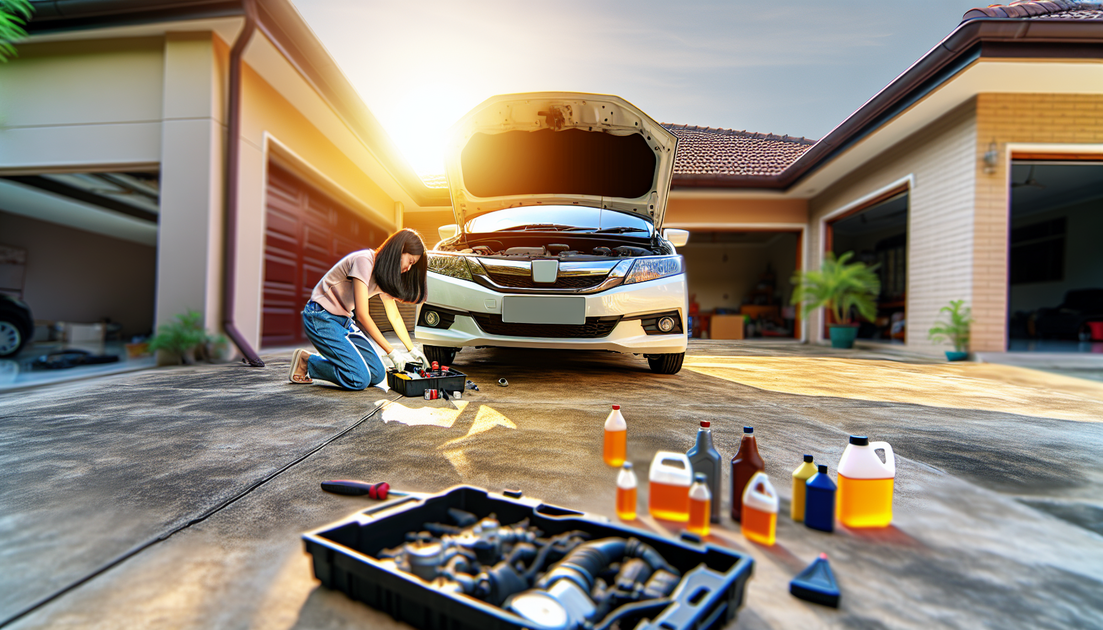
Plenty of us fear letting our cars fall apart for lack of attention—but what about the opposite? Can you actually go too far with maintenance? The question of over-maintaining your car comes up often in mechanic circles. For some drivers, it’s almost a badge of pride: changing oil every 2,000 miles, swapping spark plugs annually, or detailing under the hood more often than they fill the gas tank. But at what point does “caring” turn into “wasting money”?
Why People Tend to Over-Maintain Their Cars
Most people who over-maintain aren’t trying to show off; they’re trying to protect an investment. Cars are expensive, and if you’ve ever dealt with a breakdown on the side of the highway, you know how much peace of mind preventive care can bring. The problem is, not all maintenance scales equally. Some parts wear down predictably—like brake pads or fluids—while others can last far longer than the schedule on your fridge magnet suggests.
Manufacturers design modern vehicles with tight tolerances and long-lived components. Oil chemistry has improved dramatically in the past decade, and most engines can easily go 7,500–10,000 miles between oil changes under normal driving conditions. Yet many drivers stick to the old “every 3,000 miles” rule from the 1980s because that’s what they grew up hearing.
I’ve seen plenty of car enthusiasts with maintenance logs that read like pilot checklists—rotations every 2,000 miles, constant filter swaps, endless top-offs. While there’s nothing wrong with being cautious, it’s worth asking: what’s your car truly gaining from it?
How to Tell If You’re Over-Maintaining Your Car
The simplest signs usually show up in your receipts. If you’re changing fluids, filters, or parts far more often than the manufacturer’s maintenance schedule recommends, you might be throwing money down the drain. Here are some common examples:
- Oil changes too often: Doing it every 3,000 miles on a vehicle rated for 10,000-mile intervals is unnecessary unless you drive in severe conditions (frequent towing, extreme heat, or dirt roads).
- Replacing air filters monthly: Most last 12,000–15,000 miles. A visual check is enough—if it looks clean, it probably is.
- Constant coolant or brake fluid flushes: Unless your manufacturer calls for it, these fluids often last several years.
- Over-detailing the engine bay: Using high-pressure water or harsh cleaners too frequently can actually harm electrical components.
There’s a balance between caring and fussing. If maintenance becomes more about avoiding anxiety than addressing mechanical need, it’s time to pause and review your schedule.
A Real-World Example: When “Extra Care” Backfires
Last year, a friend of mine—let’s call him Rob—bought a used Subaru with 60,000 miles. He was determined to keep it in perfect shape. Every month, he’d change something: oil, filters, spark plugs, even the transmission fluid twice in one year. When the car started running rough, he assumed it was time for another tune-up. Turns out, he’d used the wrong type of spark plug during one of his many “preventive” changes, and the mismatch caused misfires. His good intentions caused the very problem he was trying to prevent.
That story sticks with me because it shows how easy it is to cross the line. Maintenance should be about prevention, not perfection. Too much tinkering introduces new risks—stripped threads, cross-threaded bolts, or over-tightened components.
When Extra Maintenance Actually Makes Sense
Of course, there are cases where doing a bit more than the manual suggests is smart. If you drive in harsh conditions—dusty climates, stop-and-go city traffic, or very cold winters—it can make sense to shorten intervals slightly. For example, changing oil at 5,000 miles instead of 10,000 might extend the life of a turbocharged engine. Similarly, if your vehicle sits unused for long periods, replacing fluids more often can prevent corrosion and condensation issues.
Fleet mechanics often operate by feel as much as by schedule. They’ll look at oil color, brake fluid clarity, and tire wear instead of just odometer readings. That sort of observation-based care usually beats strict over-servicing. The key is to understand your car’s actual usage, not just the calendar.
The Cost of Over-Maintaining Your Car
While over-maintaining seems harmless, the costs add up quickly. A few extra oil changes a year might not sound like much, but that’s $50–$100 per visit. Frequent fluid flushes, filters, and “just-in-case” part swaps can easily total hundreds annually—and for what gain?
There’s also the hidden cost of wear from unnecessary maintenance. Removing parts too often increases the risk of damaged threads, stripped bolts, or sensor failure from repeated handling. Even over-tightening a drain plug one too many times can crack an oil pan. I’ve seen that happen twice—and both times, the owner was someone who prided themselves on being “careful.”
Mechanics sometimes joke about “maintenance-induced failure,” but it’s a real phenomenon. Every time a component is disturbed, there’s a small chance something goes wrong. Doing less, strategically, is sometimes the smarter move.
How to Find the Right Maintenance Balance
The best approach is evidence-based rather than fear-based. Start with your owner’s manual; that’s your baseline. Then consider your environment and driving style. If you live in Phoenix and commute in 110°F heat, shorten service intervals modestly. If you mainly do highway miles in mild weather, you can safely stretch intervals a bit.
Here’s a quick framework that helps:
- Follow manufacturer guidance first. Those schedules are based on testing, not guesswork.
- Adjust for real-world conditions. Factor in climate, load, and mileage type.
- Track performance. Listen for new noises, watch for leaks, check fluid levels occasionally.
- Ignore old myths. Many “rules of thumb” come from outdated oil and engine technology.
Once you have a rhythm, maintenance becomes less stressful. You’ll know when an early oil change makes sense—and when it’s just a habit you can safely retire.
Final Thoughts: Care Without Compulsion
There’s a certain satisfaction in caring for a machine that takes you everywhere. But cars are sturdier than we often give them credit for. Over-maintaining your car doesn’t guarantee longevity—it just guarantees higher costs and more time under the hood. The sweet spot lies in understanding what your car needs, not just what you fear it might need.
As with most things mechanical, balance wins. Check in, pay attention, and trust that good engineering can handle a little less fuss than you think.
Leave a Reply