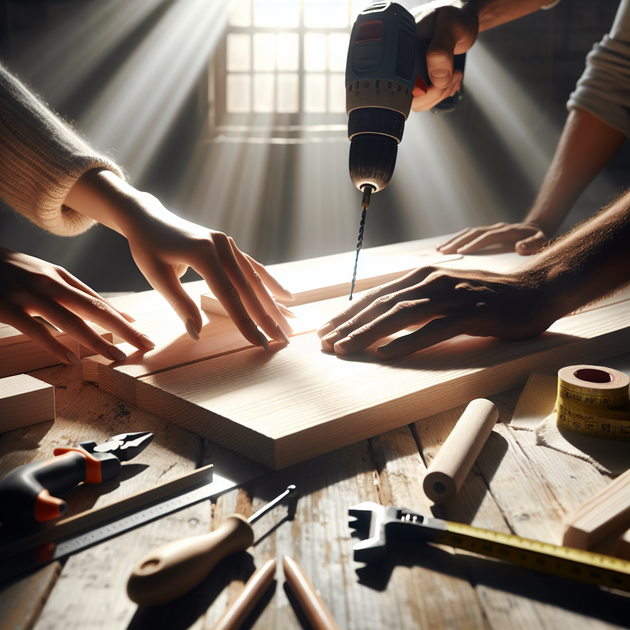
For anyone curious about building or fixing things with their own hands, getting started in DIY can feel both exciting and intimidating. You look at your first project—maybe a wobbly shelf or a dripping faucet—and wonder if you’re biting off more than you can chew. That mix of curiosity and hesitation is universal. What matters most isn’t having fancy tools or years of experience; it’s finding a place where questions are welcome and mistakes are treated as part of the process.
The Roots of the DIY Spirit
The modern do-it-yourself movement stretches back far before YouTube tutorials or online forums. In earlier generations, people fixed what they had because they had to—repairing radios after dinner or sewing patches into worn jeans. Over time, necessity gave way to creativity. By the 1970s, magazines like Popular Mechanics turned home tinkering into a shared culture of experimentation.
Today’s version of that tradition thrives online. Communities like Reddit’s r/DIY host weekly “Getting Started Q&A” threads where anyone can drop a question—no matter how small—and get advice from hobbyists around the world. The tone is refreshingly nonjudgmental. The idea is simple but powerful: we all begin somewhere, and nobody should be made to feel foolish for asking what kind of screws to buy.
How Getting Started in DIY Really Works
There’s an unspoken truth about learning any hands-on skill—it’s mostly trial and error. Watching tutorials can only take you so far; eventually you have to pick up a saw or screwdriver and feel how materials respond. I’ve seen beginners paralyzed by the fear of “doing it wrong,” when in fact mistakes are where most real learning happens.
A good way to start is with three small steps:
- Start tiny. Choose a project that feels almost too simple—a picture frame or floating shelf. Completing something small builds confidence fast.
- Ask early. Whether you’re on Reddit, Discord, or your local hardware store’s aisle four, ask questions before you start cutting wood or mixing epoxy.
- Document your work. Take photos or notes as you go. It helps you see progress and invites feedback if you share them online.
I once helped a neighbor build her first planter box from scrap cedar she found behind her garage. She was nervous about using power tools but determined to learn. After one crooked cut (and some laughter), she ended up making three planters—each better than the last. That moment captured what makes DIY so rewarding: turning uncertainty into capability through patience and curiosity.
Finding Your Place in the DIY Community
The biggest difference between going it alone and joining a community lies in feedback loops. Online spaces like r/DIY’s Q&A threads act as classrooms without walls—thousands of teachers offering snippets of experience for free. I’ve scrolled through those threads many times just for inspiration; someone might be crafting custom bike racks while another person learns how to refinish an old dresser using citrus-based solvents instead of harsh chemicals.
The communities that thrive tend to follow three unwritten rules:
- No gatekeeping. Expertise doesn’t earn you the right to belittle someone starting out.
- Civility counts. Constructive criticism builds confidence; mockery kills it instantly.
- Share your sources. Linking where you bought materials or which tutorial helped keeps knowledge circulating freely.
This collaborative energy mirrors older traditions like community barns raisings or tool-sharing circles. The digital version just scales infinitely wider—and faster. You can post a half-finished project at night and wake up to detailed advice from five continents by morning.
The Emotional Side of Getting Started in DIY
Beneath all the talk about drills and sandpaper lies something more personal: agency. Making things yourself transforms how you view objects around you. That broken chair isn’t trash—it’s potential material for something new. Many readers tell me that finishing their first repair project reshaped their sense of independence more than any self-help book ever could.
Of course, there are trade-offs. DIY projects rarely save time; sometimes they don’t even save money once you factor in tools and mistakes. What they offer instead is understanding—the satisfaction of knowing exactly how something fits together because your own hands made it so.
I’ll admit there are moments when frustration outweighs joy—when paint drips won’t smooth out or measurements don’t line up no matter how many times you recheck them. But those moments also teach humility and patience, two qualities every experienced maker quietly treasures.
The Future of Getting Started in DIY
The landscape for beginners keeps evolving fast. Affordable 3D printers now sit beside cordless drills on hardware shelves, while makerspaces pop up in libraries offering laser cutters by the hour. The line between digital design and physical creation is blurring quickly—what used to require an engineering degree now takes a weekend workshop and some curiosity.
Still, accessibility remains uneven. Not everyone has space for tools or money for materials. That’s where community again becomes vital—sharing resources, trading scrap wood, hosting public repair cafés where volunteers help fix appliances instead of tossing them out.
If I had one prediction for the next decade of DIY culture, it’s that collaboration will outpace competition. We’ll see more open-source blueprints for furniture, more shared tool libraries, maybe even neighborhood “fix-it trucks” traveling block to block teaching repair skills on demand. It sounds ambitious but not impossible; small versions already exist quietly across cities worldwide.
Building Confidence One Project at a Time
The first time you pick up a drill may feel awkward—the bit wobbles slightly, wood splinters where you didn’t expect—but within minutes something clicks: control shifts from fear toward curiosity. That’s the spark every beginner chases after—the moment when effort starts translating into understanding.
If there’s one takeaway from the weekly Q&A threads on r/DIY or any other maker forum, it’s this: nobody starts as an expert, but everyone who keeps asking questions eventually becomes one for somebody else. The cycle feeds itself endlessly—and beautifully.
So start small today. Tighten that loose door hinge instead of calling someone else to fix it. Try painting an old chair rather than throwing it away. You might end up with uneven brush strokes or misaligned screws—but also with proof that learning happens fastest when we let go of perfectionism and simply begin.
The judgment-free zones scattered across the internet remind us that craft isn’t about comparison—it’s about connection. And that might be the most valuable thing any screwdriver ever gives us.
Leave a Reply