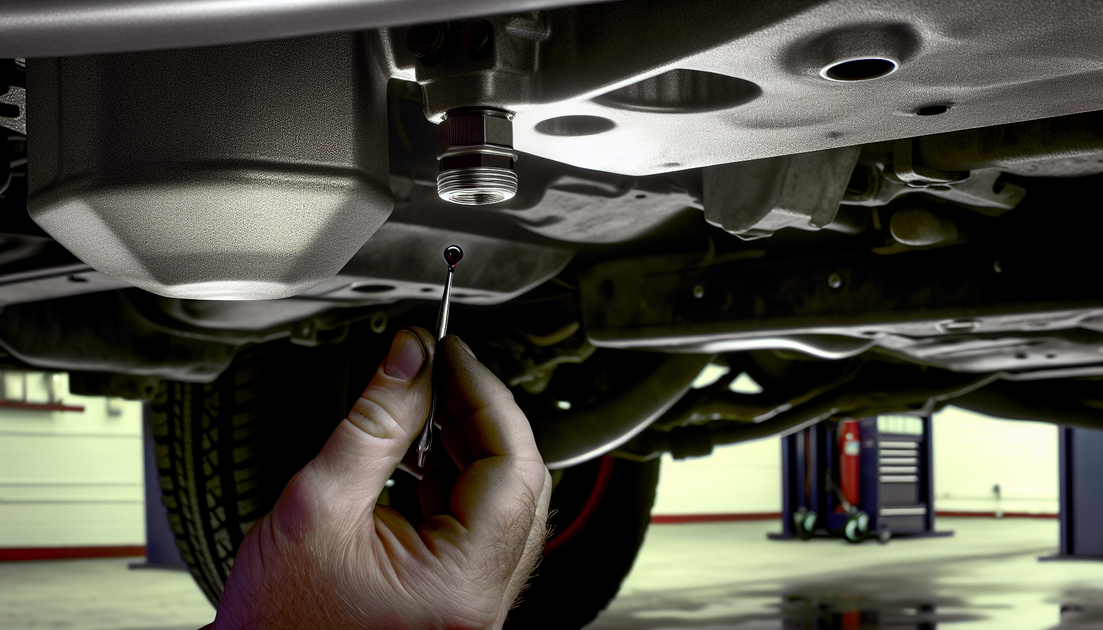
It starts as a small red drop under the truck. You wipe it away, tighten the transmission drain plug, and expect that’s the end of it. But the wrench keeps turning—tight, then loose again. That uneasy feeling sets in: something’s stripped, and the fix may not be as simple as a new washer.
This small but critical part sits at the bottom of your transmission pan, holding back several quarts of automatic transmission fluid (ATF). When it fails to tighten properly, it can signal anything from a missing crush washer to damaged threads in the pan itself. Let’s break down what’s likely happening and what can be done before the leak grows worse.
Is It Really the Washer?
Many people’s first guess is the washer. And sometimes, that’s exactly right. Most transmission drain plugs use a soft metal crush washer—often aluminum or copper—that deforms slightly when tightened, creating a fluid-tight seal. If the washer is missing, reused too many times, or the wrong thickness, tightening the bolt can feel inconsistent. It may “bottom out” before sealing properly, leaving just enough of a gap for ATF to seep through.
Replacing the washer is the simplest and cheapest first step. It’s also the least risky. But if you try a new washer and the plug still spins freely or never feels snug, it’s time to consider thread damage.
Stripped Threads and the Transmission Drain Plug
Every mechanic has encountered stripped threads at least once. The threads on the drain plug or the transmission pan—often aluminum—can wear down over time. If someone overtightened the bolt during a previous service, those soft aluminum threads may have given way. Once stripped, the plug may engage slightly at first, then slip as torque increases, creating that “tight-loose-tight” sensation.
Unfortunately, continuing to tighten only makes things worse. The plug can chew up what’s left of the threads, turning a small repair into a full pan replacement. I’ve seen DIYers push too far, hoping for one last half-turn to stop the drip, only to end up with a plug that falls out completely under pressure. That’s a bad day.
If the threads are stripped, you have two main options:
- Thread repair kits like Heli-Coil or Time-Sert can restore the original size and strength. These require care but can often be done with the pan still on the vehicle if access allows.
- Replacing the pan may be the cleaner solution if you’re uncomfortable with thread inserts or if the pan is already corroded or dented.
Real-World Example: The Tacoma Story
One driver recently shared his experience online with a 1999 Toyota Tacoma running the 5VZ-FE engine. After a routine drain and fill, he noticed a small drop of ATF on the bolt a few days later. When he tried to snug it down, the plug just spun. It would feel like it was starting to catch, then suddenly go loose again. His question: did he just need a new washer?
It’s a familiar moment for anyone who’s done their own maintenance. In that case, the most likely culprit wasn’t the washer at all—it was the aluminum threads in the transmission pan. Those Tacomas are known for relatively soft pans, and if the plug has been overtightened even once, the threads can start to fail silently until the next service exposes the problem.
That story could belong to any of us who’ve learned the hard way that small bolts can cause big headaches. The good news is that the fix, while tedious, is usually straightforward once you understand what’s happening.
How to Confirm Thread Damage
Before replacing parts, it’s worth confirming the source of the problem. Here’s a practical way to check:
- Remove the plug and washer completely.
- Inspect the plug threads—if they look flattened, shiny, or missing sharp edges, the plug may be the issue.
- Peek into the pan’s threaded hole using a flashlight. Damaged threads inside will appear cross-cut or missing sections.
- Try threading the bolt in by hand. If it spins freely without resistance, that confirms stripped threads on the pan side.
At this point, resist the temptation to use thread sealant or Teflon tape as a “temporary fix.” Those can mask the problem for a few days but won’t hold pressure over time. Worse, bits of tape or sealant can break off and circulate in the transmission fluid, potentially blocking passages.
Repairing or Replacing the Drain Plug Threads
If you confirm stripped threads, a thread repair kit is often the best path forward. Heli-Coil inserts are popular because they restore the hole to its original size while maintaining strength. The process involves drilling out the damaged threads, tapping new ones, and inserting a coiled steel insert that locks in place. Once installed, it’s often stronger than the original aluminum.
If the damage is severe or you don’t have room to work under the vehicle, replacing the transmission pan is the safer route. It’s not cheap, but it ensures a proper seal and peace of mind. When installing the new pan, always use a torque wrench and follow the manufacturer’s specification—usually somewhere between 10 and 20 ft-lbs for small drain bolts.
From my own experience, investing in a quality torque wrench pays for itself after one or two avoided mistakes. I’ve seen seasoned mechanics strip threads simply because “hand-tight plus a bit” felt right at the time. Aluminum doesn’t forgive easily.
Preventing Future Leaks
Once repaired, prevention is all about discipline and cleanliness. A few small habits make a big difference:
- Clean both the bolt and the area around the drain hole before tightening.
- Always use a new crush washer during each fluid change.
- Hand-thread the bolt first to avoid cross-threading, then use a torque wrench to finish.
- Wipe the area after tightening and check again after your first drive to confirm the seal.
Some people also apply a dab of non-hardening thread sealant on the washer face—not on the threads—to enhance sealing. That’s optional but can help in older vehicles where the mating surfaces aren’t perfectly flat.
When to Seek Professional Help
If you’re unsure about the extent of damage or don’t have the tools for thread repair, there’s no shame in taking it to a shop. A professional mechanic can quickly assess whether the pan can be salvaged or if replacement is smarter. In some cases, they can weld in a new bung and re-tap the hole, which keeps costs lower than a full pan swap.
It’s easy to underestimate how critical that small bolt is until it fails. Transmission fluid leaks don’t just stain the driveway—they can cause low fluid levels that lead to slipping gears or overheating. Catching it early saves far more than just cleanup time.
Final Thoughts
When a transmission drain plug won’t tighten, the issue usually comes down to one of three culprits: a missing or worn washer, stripped threads, or over-torquing. Start with the simple fix, but don’t ignore the signs of deeper damage. The small investment of time to inspect and repair properly will keep you from facing a much costlier repair later.
Every DIY mechanic has a story about “just one more turn” that went wrong. The lesson sticks: respect the torque spec, use fresh washers, and tighten with care. That little bolt at the bottom of your transmission deserves more attention than it gets—because once it fails, you’ll never forget it.
Leave a Reply