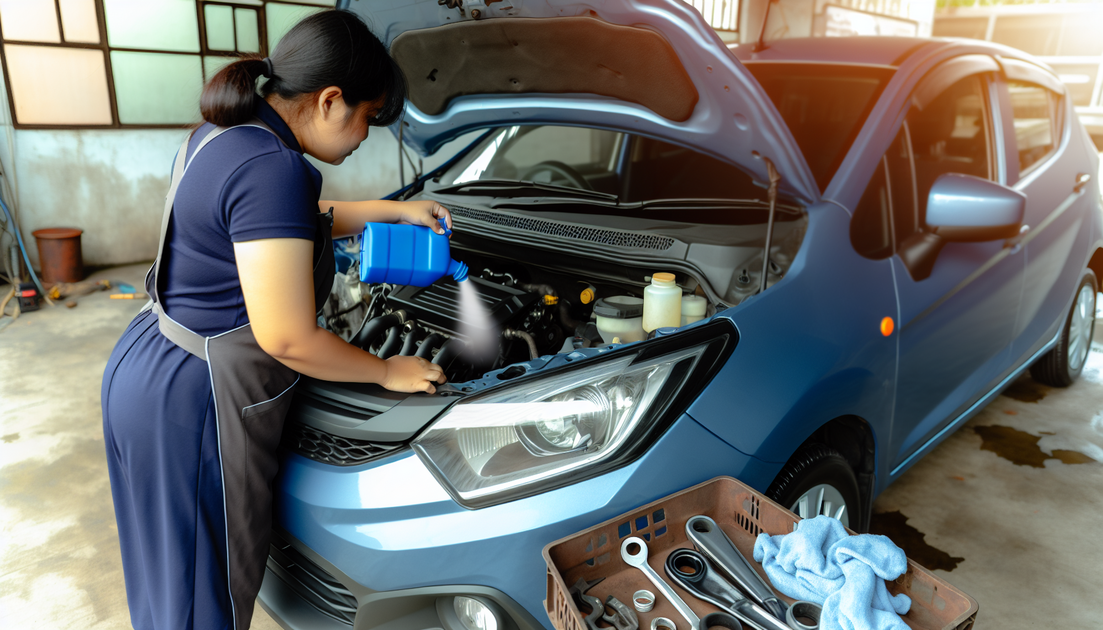
Few things unsettle a car owner faster than noticing odd behavior right after doing maintenance. You replace the coolant, start the engine, and suddenly see air bubbles after coolant change. Maybe the engine feels a bit rough or “jumps” every now and then. The temperature gauge looks fine, but something doesn’t feel right. It’s the kind of small mystery that can make you second-guess your work.
Why Air Gets Trapped in the Cooling System
Modern cooling systems are sealed, pressurized loops that rely on a precise mixture of coolant and water to carry heat away from the engine. When you drain and refill the system, air pockets can form in any high point—inside the radiator, heater core, or around the thermostat housing. Those air pockets can create momentary temperature spikes or make coolant flow unevenly.
In many vehicles, especially ones like the 2015 Nissan Sentra, the cooling system sits higher than the radiator cap. That means gravity alone can’t push all the air out. The result? You see bubbles in the overflow tank, and the engine may idle unevenly or feel slightly “off” until the air works its way out. I’ve seen this happen even in professional shops when the bleeding process was rushed.
There’s also a bit of nuance here: some bubbling in the first few minutes after a refill can be normal as trapped air escapes. But if the bubbles persist after several heat cycles—or the engine starts to shudder under load—it’s worth checking whether air is still trapped or if something else is going on.
How to Fix Air Bubbles After Coolant Change
Bleeding air from the system is the essential next step. Different cars have different methods, but here are some reliable approaches that apply to most modern vehicles:
- Use the proper bleed screw or valve. Many cars include a small screw on the thermostat housing or near the upper radiator hose. Opening it while the engine warms up allows trapped air to escape safely. Always check your owner’s manual or a repair guide before attempting this.
- Park on an incline. If your car doesn’t have a bleed screw, parking with the nose slightly elevated can help. The radiator cap becomes the highest point, making it easier for air to rise and vent out as you top off the coolant.
- Run the heater at full blast. This opens the heater core loop, allowing coolant (and air) to circulate through it. It’s a simple step that people often forget, but it’s critical for complete bleeding.
- Massage the hoses gently. Once the engine is warm and the thermostat opens, lightly squeeze the upper radiator hose. This can encourage trapped air to move toward the cap or overflow tank. Just be careful—hoses get hot quickly.
- Let the system cool, then recheck levels. After the first run and full cooldown, open the cap and top off if needed. Some air will naturally release as the engine cools, so it’s normal for the level to drop slightly after a day or two.
I once had a customer bring in a small sedan that kept overheating after a coolant change done at home. The only issue? The system hadn’t been bled. Ten minutes with the nose raised and a funnel attached to the radiator cap, and the “problem” vanished. It’s a reminder that the simplest step often matters most.
Quick Wins to Settle the System Faster
If you’re short on time or just want to minimize the chance of lingering air, a few small tricks can make a big difference:
- Use a spill-free funnel kit. These attach directly to the radiator neck and let you watch bubbles rise as the engine runs. They also help prevent messes and make topping off easier.
- Warm the engine gradually. Don’t rev it immediately after a refill. Let idle speed and temperature climb steadily so air has time to migrate upward.
- Tap the thermostat housing. A light tap with a rubber mallet (not a hammer) can help dislodge air pockets stuck near the thermostat. It’s an old mechanic’s trick that still works.
- Monitor coolant color and level for a few days. Some small air bubbles can work out naturally with each drive cycle. Just make sure the level stabilizes and doesn’t keep dropping.
These steps don’t take long—fifteen minutes in most cases—but they can spare you from chasing phantom engine issues later.
Common Myth: Bubbles Always Mean a Blown Head Gasket
This one comes up constantly, especially online. Many drivers see bubbles in the coolant reservoir and immediately assume the worst. While a blown head gasket can cause bubbling (due to combustion gases entering the coolant), it’s far from the most likely culprit right after a refill.
The key differences are context and consistency. If you’re seeing a steady stream of bubbles every time the engine runs, and they don’t taper off after bleeding, that’s when testing for combustion gases makes sense. But occasional bubbling in the first hour or two of operation isn’t unusual. I’ve tested plenty of cars that looked suspicious but passed every pressure and chemical test just fine.
That said, if the coolant keeps disappearing, the overflow tank smells like exhaust, or the temperature gauge suddenly spikes, those are red flags worth investigating. Otherwise, patience and proper bleeding solve most bubbling issues.
When to Seek Professional Help for Air Bubbles After Coolant Change
Sometimes, doing everything “by the book” still doesn’t fix the problem. When that happens, it could point to a few deeper issues:
- Faulty radiator cap: A weak cap can’t maintain pressure, allowing air to re-enter as the system cools. Replacements are inexpensive and often overlooked.
- Leaky hose or clamp: Even a small pinhole or loose connection can introduce air without dripping much coolant. A pressure test can confirm this.
- Thermostat not opening properly: If it sticks closed, coolant won’t circulate well enough to purge air. Replacing the thermostat is usually straightforward.
If you’ve bled the system multiple times and still notice roughness or bubbling, it’s worth having a shop perform a pressure or block test. In rare cases, internal leaks or micro-cracks in the head or gasket can let gases into the coolant loop—but that’s the exception, not the rule.
Final Thoughts: Patience and Precision Pay Off
Refilling coolant seems simple, but it’s one of those tasks that rewards attention to detail. A few air bubbles early on? Usually harmless. Persistent bubbling and odd engine behavior? That’s your cue to bleed again, slowly and carefully. I’ve learned that cooling systems are less forgiving than they look—ignore small signs, and they can quietly turn into bigger problems.
Take your time, use the right tools, and resist the urge to rush. Once the system is fully bled and topped off, your car will run smoother, the heater will blow hot again, and those unsettling bubbles will be a thing of the past.
Leave a Reply