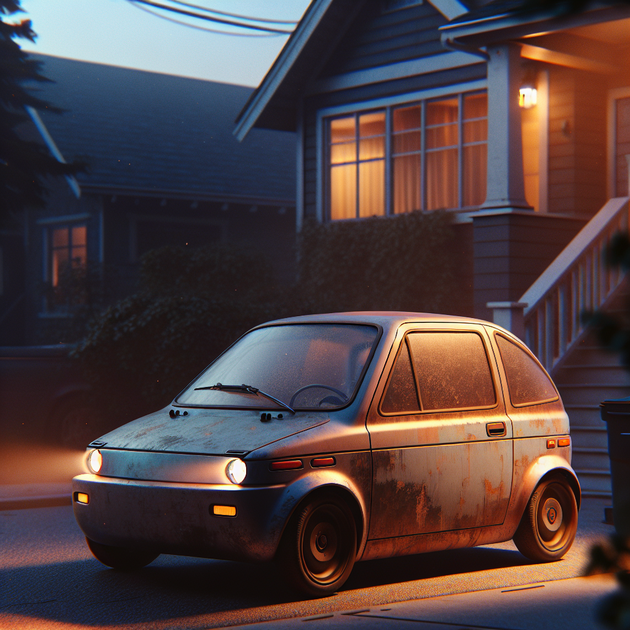
When the latest reliability rankings dropped this month, one headline stood out: Tesla unreliable used cars now sit at the very bottom of the list—behind Jeep, Chrysler, and even Alfa Romeo. For a brand that built its reputation on cutting-edge technology and minimal maintenance, that’s a hard pill to swallow. It raises an uncomfortable question for both fans and critics of electric vehicles: are Teslas aging poorly, or is something deeper going on?
The shock of falling behind legacy brands
Tesla’s image has long leaned on simplicity. Fewer moving parts, fewer fluids to change, fewer things to break—or so the story goes. Yet according to multiple consumer surveys and recent reports highlighted by Reddit user Wagamaga, owners of secondhand Teslas are reporting far more issues than those driving comparably priced gas models. These problems range from touchscreen glitches to powertrain quirks and frustrating delays in service appointments.
I’ve seen this play out among friends who bought early Model S vehicles around 2016–2017. At first, they raved about over-the-air updates that made their cars feel futuristic. But as the years passed, failing door handles and erratic sensors became recurring jokes in group chats. The frustration wasn’t just about cost—it was about expectation. When you buy a computer on wheels, you expect it to behave like your laptop after five years: maybe slower, but still functional. A car is different; it ages physically as well as digitally.
Why Tesla unreliable used cars perform poorly
There are a few intertwined reasons behind these disappointing scores. Some are technological; others are cultural.
1. Software brilliance meets hardware fragility
Tesla’s innovation has always been digital first—its user interface feels closer to an iPad than a dashboard. But physical components still matter. Door seals wear out; suspension bushings fatigue; trim materials fade under sun exposure. In traditional automakers’ playbooks, decades of supplier relationships and testing cycles help smooth those rough edges. Tesla, growing at breakneck speed through the 2010s, often prioritized rapid iteration over durability testing.
This approach worked wonders for innovation but left some owners acting as de facto beta testers. The result? A car that dazzles new but feels fragile secondhand.
2. Service bottlenecks and repair culture
Unlike established brands with thousands of dealerships nationwide, Tesla controls almost every aspect of its service network. That direct model can feel premium—until you need a part replaced fast. Reports abound of long wait times for bodywork or electronics repairs due to parts shortages or scheduling backlogs.
In my own testing with EV startups (mostly smaller ones), I’ve noticed how difficult it is to balance software updates with physical maintenance infrastructure. Building great code is one thing; building great supply chains is another. Tesla mastered the first much faster than the second.
The human side of high-tech disappointment
A friend of mine bought a used Model 3 last year after saving for months—his dream EV at half the original price. Two weeks in, a small crack appeared on the central screen glass panel after a cold night. Warranty coverage was uncertain because he wasn’t the original owner, and getting an appointment took nearly three weeks. When he finally picked up his car again, he told me something I didn’t expect: “It’s still amazing to drive—but it’s exhausting to own.” That line stuck with me.
Stories like his highlight how much emotional weight modern tech products carry. People don’t just buy a car anymore; they buy into an ecosystem of software updates, charging networks, and online communities. When that ecosystem falters—especially for secondhand buyers who lack direct support—the disillusionment feels personal.
The nuance behind the numbers
It’s tempting to interpret reliability rankings as definitive verdicts on quality, but they rarely tell the whole story. Data often skews toward older models where early production issues were most common. Owners also tend to be more vocal about problems when expectations are sky-high—which Teslas naturally invite.
There’s also a subtle shift happening in how we define “reliability.” For gas cars, it’s mostly mechanical failures: engines, transmissions, brakes. For EVs like Teslas, it often means tech features that misbehave—infotainment crashes or camera calibration errors that disable driver-assistance modes. These aren’t catastrophic failures in a traditional sense but can still make ownership feel unreliable day-to-day.
Many readers tell me they’re willing to accept minor software bugs if it means lower fuel costs and cleaner driving overall. But once repair bills or downtime start rivaling those of luxury gas models, patience runs thin.
A wider look at electric vehicle maturity
This moment isn’t just about Tesla—it’s about electric mobility growing up. Every disruptive technology hits its “maintenance phase” eventually. Smartphones did; so did laptops; now EVs are facing theirs.
- Batteries last longer than skeptics predicted, but peripheral systems—charging ports, cooling pumps—still age unpredictably.
- Software updates extend functionality, yet can also introduce new bugs or strain aging hardware.
- Independent mechanics struggle because proprietary tools limit their ability to service EVs affordably.
The lesson? Innovation without longevity doesn’t scale well in transportation. A car must survive winters, potholes, and impatient drivers—not just look sharp in a showroom or app update log.
Keeping perspective—and optimism
I don’t think these findings spell doom for electric vehicles or even for Tesla itself. If anything, they’re signs that EV ownership is reaching mainstream scrutiny—a good thing in the long run. As more people buy used electric cars instead of new ones, manufacturers will have to prove their designs can endure real-world wear as gracefully as they handle software patches.
Tesla still leads in battery efficiency and charging infrastructure; those achievements matter immensely for climate goals and industry adoption curves. The challenge now is less glamorous but equally vital: building reliable hardware ecosystems around visionary software cores.
The road ahead for used EV buyers
If you’re considering a pre-owned Tesla today, go in with eyes open:
- Check service history carefully. Repairs done under warranty may hint at recurring weak points.
- Inspect electronics and sensors, not just battery health reports—those touchscreens control nearly everything.
- Budget time as well as money; service delays remain common depending on location.
The upside? Prices for used Teslas have dropped substantially since their pandemic peak, making them more accessible than ever for early adopters who missed out years ago. And with each new model year improving fit-and-finish standards, some reliability pain may slowly ease out of future rankings.
A reflective close
Tesla helped redefine what people expect from cars—sleek design married with living software that evolves over time. But growing pains were inevitable once those rolling computers aged beyond their warranty windows. We’re witnessing an inflection point where digital ambition collides with mechanical reality.
I suspect that ten years from now we’ll look back on this period as the awkward adolescence of electric mobility—the years when idealism met rust spots and cracked screens head-on. And if automakers learn from it rather than hide from it, we might finally get what we were promised all along: vehicles that are not only sustainable but sustainably reliable too.
Leave a Reply