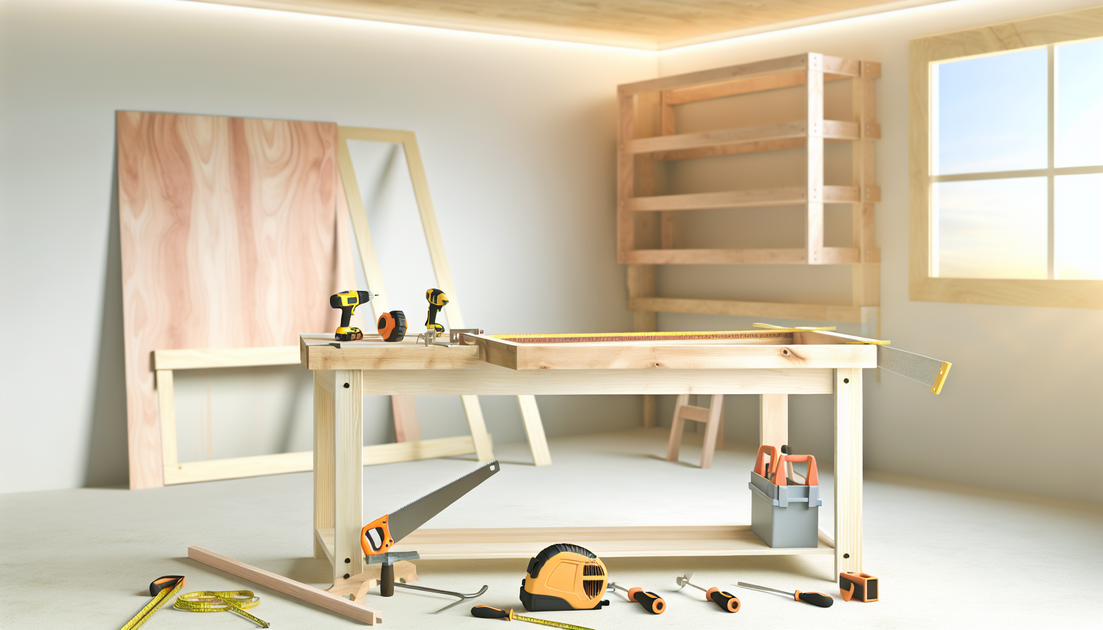
Every great maker starts somewhere. The getting started DIY journey usually begins with curiosity—how does that shelf hold up, how do you fix a leaky faucet, or could you build that desk yourself? For many beginners, the hardest part isn’t the work itself but knowing where to begin. The online DIY community has built spaces, like Reddit’s weekly Q&A threads, precisely for that reason: to give people a place to ask “silly” questions without judgment.
The Evolution of DIY Culture
Decades ago, doing it yourself was often a matter of necessity. If something broke, you fixed it because hiring someone wasn’t always an option. In the 1980s and 1990s, home improvement shows and magazines turned that necessity into a hobby, inspiring millions to pick up drills and paintbrushes. Now, with online tutorials and forums, the barrier to entry has never been lower. You can learn to tile a bathroom or wire a lamp with a few clicks—though not without risks if you skip the fundamentals.
Platforms like Reddit’s /r/DIY have become modern town squares for makers. Weekly “getting started” threads encourage beginners to ask about everything from what kind of wood to buy for a workbench to whether a particular power tool is worth the price. I’ve browsed these threads and noticed a pattern: the most satisfying projects always start with clear expectations and a willingness to learn from mistakes.
Where to Begin with Getting Started DIY Projects
Start small. That advice might sound obvious, but it’s the most common mistake new DIYers ignore. Attempting a full kitchen renovation before you’ve built a simple bookshelf is a recipe for frustration. Choose a project that can be finished in a weekend, ideally one that teaches a single new skill—cutting, sanding, wiring, or gluing. That way, you build confidence and muscle memory without feeling overwhelmed.
Here’s a simple sequence that works for most beginners:
- Pick a project that excites you but has clear boundaries—like a planter box or a small wall shelf.
- Research what materials you’ll need. Don’t assume you can substitute anything; different woods, adhesives, and finishes behave differently.
- Gather your tools and check safety gear—gloves, goggles, hearing protection. Never treat safety as optional.
- Lay out your workspace. Good lighting and a stable surface prevent most beginner accidents.
- Follow a trusted tutorial step-by-step, but pause when something doesn’t make sense. Rushing through instructions leads to sloppy or unsafe results.
In my own shop, I still mark every cut twice before picking up a saw. It’s a small ritual that saves a lot of headaches later. Precision, even on small projects, builds habits that translate to more complex work.
Common Pitfalls and How to Avoid Them
Most early DIY mistakes come down to impatience. New makers often underestimate how long tasks take—paint needs to dry, glue needs to cure, and materials need prep time. Skipping those steps usually leads to disappointment. Another frequent issue is tool misuse. Using a drill as a driver without the right bit or torque setting can strip screws or damage wood. Learn what your tools are designed to do before improvising with them.
Budgeting is another trap. Many people think DIY means “cheap.” It can be, but quality tools and materials are investments. The trick is to buy essentials first—measuring tape, a square, a reliable screwdriver set—and borrow or rent specialized tools until you know you’ll use them often. I’ve seen countless beginners buy an expensive miter saw for one project and then let it sit untouched for years. Start with the basics; expand only when your skills demand it.
And finally, don’t underestimate design. Function matters, but aesthetics drive motivation. A project that looks good keeps you proud of your progress and eager for the next challenge. Communities like Reddit’s Q&A threads or local maker spaces are great places to ask for design feedback before committing to expensive materials.
Learning from the Maker Community
One of the most valuable parts of the DIY world is the people. Online forums, Discord channels, and local workshops are full of folks who remember exactly what it felt like to start. The weekly “General Feedback/Getting Started Q&A” thread on /r/DIY exists for this purpose: a judgment-free zone for questions that might seem too small for other spaces. You can ask, “What’s this tool called?” or “Is pine good for an outdoor bench?” and get real answers from people who’ve made the same mistakes.
A small story: a friend of mine decided to build a coffee table after watching a few videos. She bought a circular saw, some oak boards, and a can of stain. Halfway through, she realized the boards wouldn’t join evenly because she hadn’t accounted for wood expansion. Instead of quitting, she posted photos on a DIY forum. Within an hour, someone explained how to use biscuits and clamps to align the edges. That single piece of advice not only saved her project but sparked a genuine love for woodworking. Last I checked, she was designing her own furniture.
These communities thrive on that cycle of help and humility. You ask, you learn, and then you give back. It’s not just about fixing things—it’s about building confidence and sharing knowledge.
Building Skills for the Long Term
Once you’ve tackled your first few projects, shift your mindset from “follow the tutorial” to “understand the principle.” Learn why screws split wood when driven too close to the edge, or why oil-based finishes darken over time. The more you grasp the “why,” the less dependent you become on step-by-step guides. That’s the moment you truly become a maker.
Set small goals for growth. Try learning one new technique per project—dovetail joints, soldering, or proper surface prep before painting. Keep a notebook or photo log of what worked and what didn’t. Many experienced builders I’ve met keep sketches and notes from their earliest attempts. It’s a quiet reminder that skill is cumulative; progress builds layer by layer, just like a well-sanded finish.
The Future of DIY and What’s Next
The DIY landscape keeps evolving. Affordable 3D printers, laser cutters, and computer-aided design tools are merging traditional craftsmanship with digital precision. We’re seeing more hybrid makerspaces—half woodshop, half tech lab—where someone might laser-etch a design onto hand-cut wood. But there’s still no substitute for the tactile experience of building something with your hands. Technology can complement craftsmanship, not replace it.
Some aspects of this shift are uncertain. As automation and prefab materials become more common, will people still value the imperfections that make handmade work personal? Maybe. From what I’ve seen, the DIY spirit tends to resist convenience when it undermines creativity. The next generation of makers will likely blend both worlds—using digital tools to plan and measure, then finishing each piece by hand.
Conclusion: Start Where You Are
Getting started in DIY isn’t about talent or tools—it’s about curiosity and persistence. Begin small, follow directions carefully, and don’t be afraid to ask basic questions. Mistakes aren’t failures; they’re part of the apprenticeship every maker goes through. The real goal isn’t just to build things, but to build the confidence to tackle the unknown.
So grab a hammer, find a project that feels just a little beyond your comfort zone, and start. The first cut is always the hardest, but it’s also where the learning begins.
Leave a Reply