Every smartphone, wind turbine, and electric car depends on rare earth elements. They’re the quiet backbone of modern technology, yet the process of mining them is anything but quiet. Open-pit mines scar landscapes, chemical runoff poisons rivers, and entire communities are left breathing dust. The contradiction is hard to ignore: clean tech built on dirty foundations. That’s why a new idea—biomining viruses—is starting to draw attention among scientists looking for a gentler way forward.
Why We’ve Been Digging Ourselves Into a Hole
Mining rare earths is an ecological paradox. The elements themselves—neodymium, dysprosium, yttrium—aren’t especially rare, but they’re scattered thinly across the Earth’s crust. Extracting them means tearing through massive amounts of rock and using acids to separate the useful bits from the waste. It’s energy-intensive and toxic, especially in countries that lack strong environmental regulations.
In the past few years, rising demand for electric vehicles and renewable energy has pushed rare earth production into overdrive. Prices fluctuate wildly, and geopolitical tensions around supply chains have made nations scramble to secure their own deposits. I’ve seen small towns in mining regions transform almost overnight—first with hope, then with dust and chemical ponds.
So when researchers began talking about using viruses as tiny, programmable miners, the idea sounded almost like science fiction. Yet, it’s rooted in a simple observation: nature already knows how to separate and concentrate elements. Microbes have been doing it for billions of years.
How Biomining Viruses Actually Work
The concept is elegantly strange. Scientists take a harmless virus—often a bacteriophage, the kind that infects bacteria but not humans—and modify its genetic instructions. The engineered virus can latch onto certain metal ions in water and pull them together, forming clusters that can later be harvested. Think of it as a microscopic prospector, sifting through molecular streams for traces of valuable metals.
In controlled experiments, these biomining viruses have managed to extract rare earth elements from diluted solutions, such as industrial wastewater or seawater. The process doesn’t require toxic chemicals or deep excavation, and it can often run at room temperature. That’s a huge energy saving compared to conventional smelting or acid leaching.
One scientist described it as “teaching a virus to love neodymium.” It’s a poetic way of describing a radical shift: replacing brute-force chemistry with biological finesse.
Three Emerging Paths Toward Cleaner Extraction
Biomining viruses are part of a broader movement toward biological materials recovery. Researchers and startups are exploring several complementary routes:
- Viral extraction from waste streams. Instead of mining new deposits, engineered viruses could filter out valuable metals from existing waste—electronics recycling plants, for instance, or even desalination brine. The metals we’ve already pulled from the ground could be re-collected again and again.
- Microbial bioreactors. Some labs are designing systems where bacteria and viruses coexist in closed loops, gradually accumulating rare earths as byproducts. These reactors could sit next to industrial plants and “mine” their wastewater continuously.
- Hybrid chemical-biological systems. In some cases, a bit of chemistry helps biology along. A pre-treatment step might loosen metals from rock, then viruses or microbes finish the extraction. It’s not purely biological, but it’s far cleaner than current practices.
Each approach carries its own trade-offs. Biological systems can be slow and sensitive to contamination. Scaling them up from lab flasks to full production takes years, not months. But the direction feels right—toward something less destructive, more cyclical.
Quick Wins: What Can We Do Now?
Most of us won’t be engineering viruses in our kitchens, but there are small, immediate steps that connect to the same philosophy of smarter material use.
- Recycle electronics responsibly. Many local e-waste programs now extract metals that could one day be processed biologically. Keeping devices out of landfills keeps metals in circulation.
- Support extended product lifespans. When we repair instead of replace, we reduce the demand for fresh mining altogether. The rare earths in your old laptop are still perfectly functional.
- Follow the research. Funding and public interest matter. Universities and startups developing biomining technologies often rely on grants or partnerships that grow when people pay attention.
Even small shifts in consumer behavior can signal that we value less destructive production methods. I’ve noticed that when people learn where the materials in their electronics come from, they start asking better questions about what “sustainability” really means.
Myth to Avoid: The Fear of “Weaponized Biology”
Whenever viruses enter the conversation, fear follows close behind. It’s easy to imagine headlines about rogue pathogens or environmental mutations. But the biomining viruses used in current research are non-replicating and target bacteria, not humans or animals. They’re more like molecular tools than living agents of infection.
The real risk isn’t a viral outbreak—it’s overpromising. Some media coverage frames biomining as an instant fix for the environmental costs of technology. That’s premature. The science is still in early stages, and scaling it safely will take careful oversight. It’s okay to be excited, but it’s also okay to reserve judgment until the data catches up.
The Big Picture: Nature as an Engineer
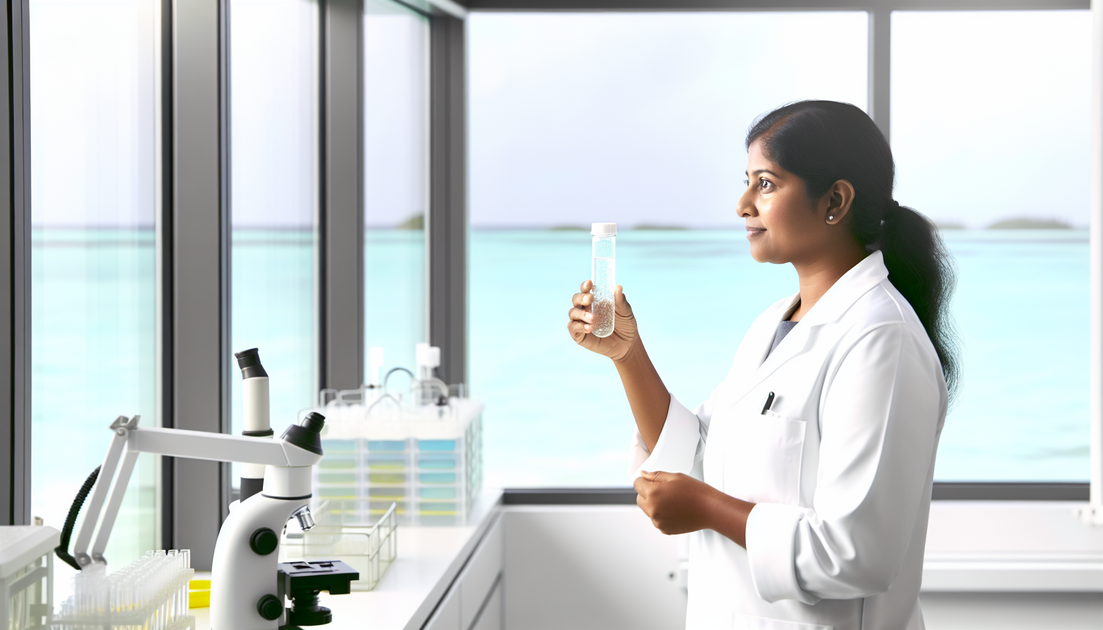
A few months ago, I visited a coastal research lab where a graduate student showed me a small tank of seawater shimmering with suspended particles. “Those,” she said, pointing to the faint haze, “are viruses doing their job.” It took her team weeks to train them to bind to lanthanum, one of the rare earths used in camera lenses. The scene was oddly peaceful—no roaring machines, no fumes, just a quiet tank of water and invisible workers.
That moment stuck with me. It reminded me that technology isn’t always about bigger, faster, louder. Sometimes progress means learning how to collaborate with systems that have been refining themselves for eons. Nature has already solved the efficiency puzzle; we’re just learning to read her notes.
If biomining viruses succeed, they could change how we think about extraction entirely. Mining might become less about conquest and more about stewardship—guiding natural processes rather than overriding them. But even if these viral miners never reach industrial scale, the mindset they represent—a willingness to replace force with finesse—could influence countless other fields, from waste management to medicine.
We may never fully escape the material demands of modern life. But we can decide how we meet them. Somewhere between a strip mine and a Petri dish, there’s a middle path waiting to be built.
Final Takeaway
The rise of biomining viruses isn’t just a story about clever science. It’s a quiet experiment in humility—an attempt to let biology lead where industry has stumbled. Whether or not these tiny miners ever replace the giant pits we’ve dug, they’ve already offered a new perspective: that the smallest agents on Earth might help us repair the biggest messes we’ve made.
Leave a Reply